
"China coffee origin"
8000 article(s) found

Arabica coffee originated in Ethiopia, China Coffee Network charcoal roasted coffee.
Ethiopia is a coffee-producing country with many legends, numerous varieties, rich orange fragrance and many fresh things, and there is no second country in the world that can compete with it. Ethiopia's long coffee history and cultural scenery have attracted a large number of explorers, archaeologists, botanists, anthropologists and writers to Fangze. The sleeping lion of Africa suddenly awakened after the millennium.

China Taiwan Coffee Taiwan Coffee Origin Introduction
18th century, 1884 (Guangxu 10 years) British introduced coffee in Taipei Three Gorges trial planting, Japanese occupation era, Japanese see Taiwan climate soil suitable for coffee, so from abroad to introduce "Arabica", in the north trial success, then in Zhiben, Mizuho a large number of investment in planting, yield is good. 19th century, 1941, rich production, good quality flavor, creating coffee in Taiwan's victory period, not

Cat Cafe becomes popular in Europe Japanese media say that "Origin" is in China.
According to Japan's Kyodo News Agency, the number of cat cafes that allow customers to play with their cats while enjoying black tea or coffee is increasing in Europe. The British media call the cat cafe a Japanese-style cafe, which is often understood as Japanese culture. It is reported that these cat cafes are mainly in Austria, Britain and the United Kingdom within two and a half years.

Bits and pieces of African coffee beans in China
Coffee originated in Africa and little is known about it. In fact, Africa Ethiopia is the hometown of coffee, producing the best Arabian coffee in the world. Soil, climatic conditions and an altitude of more than 2000 meters above sea level have enabled many African countries to create an ideal environment for the growth of coffee. At present, coffee production in Africa accounts for about 13% of the world's total output, and coffee income is in some African countries.

Targeting the great growth of China's coffee market in 2011
Australia flooded in early January, and wine has risen this year because the disaster area is an important grape origin. Even without natural disasters, chateau wines with collectible value have been rising for more than a decade. The Japanese cartoon "Shenzhi" details the various flavors of wine, how to preserve and match dishes, and even the situation of the drinker should be taken into account. To put so much effort into it is to complete one.
Spread and Development of Coffee in China
The history of the introduction of coffee into China is not long, and it was not until 1884 that coffee was first planted in Taiwan Province. In the mainland of the motherland, the earliest coffee cultivation began in Yunnan. At the beginning of the 20th century, French missionaries brought the first batch of coffee saplings to Binchuan County, Yunnan Province, and began to grow coffee in the mainland.

When did the culture of the origin of American coffee flow into China?
When did the culture of the origin of American coffee flow into China: the water you use is very important. If you are using tap water, let the faucet run for a few minutes before filling the coffee pot. Remember to use cold water, not distilled or softened water. Ratio of water to coffee: a common law is that six ounces of boiling water is better than 1 to 2 tablespoons (tablespoons) of ground coffee powder.

Coffee into gold: is it Starbucks' Chinese Dream, or is it the Chinese coffee dream?
China has become the second largest market for Starbucks in the world, after the United States, where it originated. Photo: Reuters professional baristas follow the Coffee Workshop (Wechat official account cafe_style) although Starbucks represents the US coffee shop chain, they are now choosing to open the world's largest flagship store in China. Boutique baking located in Shanghai

Mantenin Coffee name Origin China Coffee Network grows coffee at home
Manning is not the name of the producing area, the place name, the port name, nor the name of the coffee breed. How did it get its name? In fact, it is the transliteration of the mandheling people in Mandaining, Indonesia. During the Japanese occupation of Indonesia during World War II, a Japanese soldier drank mellow coffee in a cafe, so he asked the shopkeeper the name of the coffee, and the boss mistook him for asking where you were.
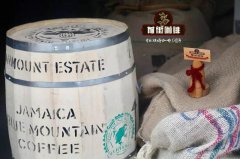
When was Arabica Coffee introduced into China the Origin History of Arabica Coffee
Professional coffee knowledge exchange more coffee bean information Please follow the coffee workshop (Wechat official account cafe_style) Arabica is deeply loved by the Chinese with a short history of coffee contact because of its strong fruity aroma. it was introduced to China by missionaries in the 19th century and is widely planted in the dry-hot valley of the Jinsha River above sea level 1000 meters above sea level in Panzhihua, Sichuan and western Yunnan.

Individual coffee China Coffee Trading Network Coffee Price diffuse Coffee
Single coffee is made from a single coffee bean produced in the country of origin and is a pure coffee without milk or sugar when drinking. Have strong characteristics, special taste: or fresh and soft, or mellow smooth; the cost is higher, so the price is more expensive. For example, the famous Blue Mountain Coffee, Brazilian Coffee and Colombian Coffee are all named after the origin of coffee beans.
At the opening of the 2014 Beijing Fair, China's online library showed up with items with Yunnan characteristics.
On May 28th, the third China (Beijing) International Trade in Services Fair (2014), co-sponsored by the Ministry of Commerce and the Beijing Municipal people's Government, opened at the Beijing National Convention Center, which also means that China's leading domestic trade B2B service organization, China Netbank, has been unveiled at the Beijing Fair for the third time.

Why Korean Coffee Settled in China? There are hidden control risks behind the crazy expansion
In Beijing Guanghua Road Sunshine 100 business district, the original coffee accompany you store has been transformed into coffee plus you. The restaurant still uses the tableware with the coffee accompany you logo, but the former promotional posters have been dumped in the corner under the stairs. According to the person in charge of the store, since coffee accompanies you to show decline, the store will consider changing the brand to find its own way out. Before that, members.

There is little certification of organic coffee in China.
Nowadays, coffee has gradually become an important drink in people's daily life. With the concept of healthy living more and more deeply rooted in the hearts of the people, healthy, original organic coffee is also sought after by many coffee lovers. Is the organic coffee on sale true? It has also become a topic of concern to consumers. Organic coffee is rarely certified in China. Liu Ping, an agricultural industry researcher at the China Business Intelligence Network Industrial Research Institute.
Red jujube in Nagi Manor, Yunnan (Manlaojiang-& gt; Arige) Coffee beans grown in China
Country of origin Country: China production area Location: Yunnan Pu'er raw bean merchant: Manlaojiang treatment method Processing: all red honey treatment growth environment Growing Condition: 1200-1400m variety Cultivar:Catula, Catuai Kaddura, Kaduai = Baker: Ari hot (Kunming) baking degree Roast Profile: medium flavor

China coffee beans origin introduction Yunnan coffee cultivation introduction
The west and south of Yunnan Province are located between the 15th latitude and the Tropic of Cancer. Most of the areas are 1000-2000 meters above sea level. The terrain is mainly mountainous and sloping, with large undulations, fertile soil, sufficient sunshine, abundant rainfall and large temperature difference between day and night. These unique natural conditions form the particularity of Yunnan Arabica coffee taste, which is strong but not bitter, fragrant but not strong and slightly fruity. 50 years ago

An introduction to the origin of Taiwan coffee in China
In the 18th century, in 1884 (Guang Xu's 10th year), the British introduced coffee to the three Gorges in Taipei. during the Japanese occupation, the Japanese saw that Taiwan's climate and soil were suitable for coffee, so they introduced "Arabica" from abroad and successfully planted it in the north. Mizuho invested heavily in planting and had a good yield. In the 19th century, in 1941, the output was rich, the quality and flavor was good, which made coffee in Taiwan's complete victory period. No.

Domestic Yunnan coffee bean market the best coffee bean producing area in China Yunnan small grain coffee export volume
Professional coffee knowledge exchange more coffee bean information please pay attention to the coffee workshop (Wechat official account cafe_style) China coffee market is big enough, the profit is amazing enough, the forced case is high enough to support platform thinking, the above conditions are also enough to attract countless heroes to bow down, everyone is crazy about this market. The progress of coffee industry and the improvement of coffee quality have increased the demand for coffee.

There is little certification of organic coffee in China.
Nowadays, coffee has gradually become an important drink in people's daily life. With the concept of healthy living more and more deeply rooted in the hearts of the people, healthy, original organic coffee is also sought after by many coffee lovers. Is the organic coffee on sale true? It has also become a topic of concern to consumers. Organic coffee is rarely certified in China. Liu Ping, an agricultural industry researcher at the China Business Intelligence Network Industrial Research Institute.

What are the famous black teas in China? which producing areas are good to drink? the top four black teas in China rank first.
People who drink wine and coffee may already know that the soil (or origin) of any particular crop has a significant impact on taste. Terroir is a French word borrowed from the wine world, which mainly describes the environmental factors of a region. The soil composition, altitude, temperature and rainfall of the planting area all affect the taste of the finished product, whether it's wine grapes, coffee beans or tea.